


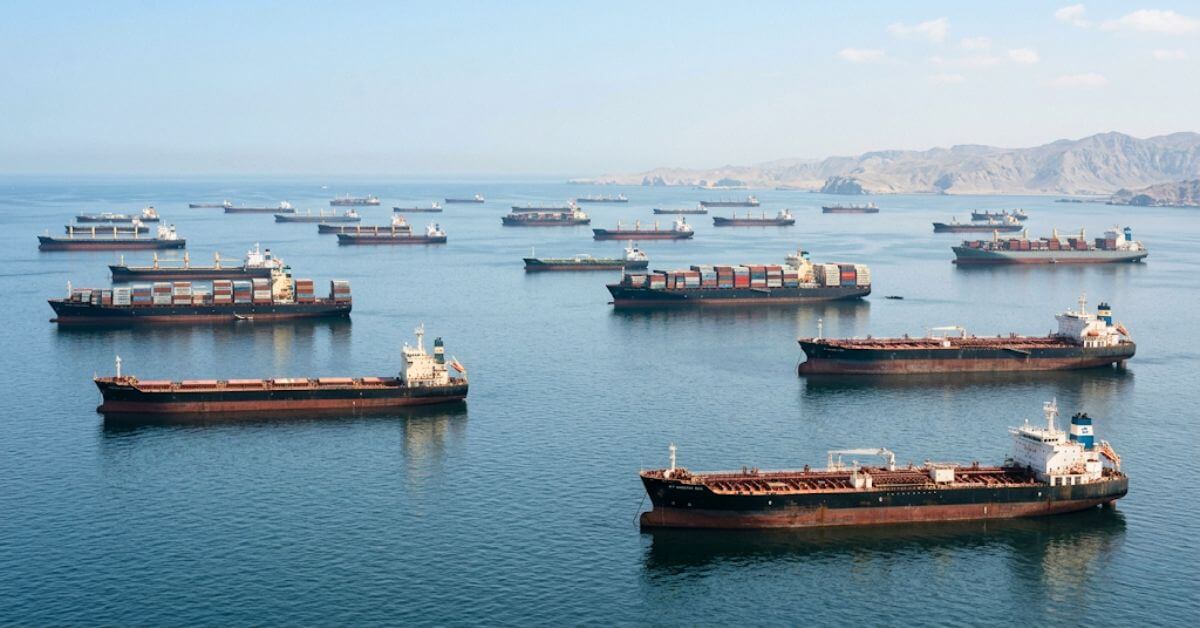
Global oil prices tumble as US, Iran agree war ceasefire, move to reopen Strait of Hormuz
The United States and Iran have reached a preliminary agreement to halt their military conflict and reopen the strategic Strait of Hormuz.
While the deal is currently a framework agreement—leaving the highly contentious fate of Tehran’s nuclear program to future negotiations—it marks the most significant step toward peace since the conflict erupted in February following joint U.S.-Israeli airstrikes on Iran.
The announcement immediately impacted the global economy, causing Brent crude futures to plummet by 4% in early Monday trading, while global stock markets witnessed a sharp recovery.
‘Let the oil flow’ — Trump, Sharif confirm pact
U.S. President Donald Trump broke the news on his Truth Social platform on Sunday evening, writing “The Deal with the Islamic Republic of Iran is now complete.”
The announcement closely followed a statement by Pakistani Prime Minister Shehbaz Sharif, whose country acted as the primary mediator in the secret talks. Sharif confirmed that the pact calls for “the immediate and permanent termination of military operations on all fronts, including in Lebanon.”
READ ALSO: Jose Mourinho arrives Spain to finalise stunning Real Madrid deal
The official Memorandum of Understanding (MoU) is scheduled to be signed this Friday in Switzerland.
As part of the immediate terms, President Trump confirmed that the U.S. naval blockade of Iranian ports would end, and the Strait of Hormuz—a chokepoint responsible for a major chunk of the world’s oil and gas shipments—would fully reopen on Friday.
“Ships of the World, start your engines. Let the oil flow!” Trump posted.
Despite the optimism, the situation in Lebanon remains a delicate sticking point. Lebanon has borne the brunt of the conflict’s spillover, with thousands killed and over 1.2 million people displaced due to an Israeli offensive against the Iran-backed Hezbollah group.
While Iran’s Supreme National Security Council and Lebanese Parliament Speaker Nabih Berri have welcomed the Monday night ceasefire, Israel has maintained a defiant stance.
Prime Minister Benjamin Netanyahu has yet to issue a public response to the U.S.-Iran pact, while Israeli Defence Minister Israel Katz explicitly stated that Israel will oppose any pressure to withdraw its forces from occupied southern Lebanon. Katz noted that this position had already been communicated to U.S. President Trump and Defense Secretary Pete Hegseth.
According to Iran’s Deputy Foreign Minister, Kazem Gharibabadi, a 60-day ceasefire period will now commence. During this window, diplomats will negotiate a more expansive agreement touching on sanctions relief and Iran’s nuclear program.
The cessation of hostilities has been warmly received globally. In a joint statement, the UK, Germany, France, and Italy expressed readiness to lift sanctions on Iran, provided “clear, verifiable steps” are taken regarding its nuclear program. China also welcomed the development.
For President Trump, the deal offers a timely reprieve from domestic political pressures. Rising gas prices driven by the conflict had become a massive liability for Republicans ahead of the upcoming November midterm elections. However, Trump still faces intense scrutiny from hawks within his own party who demand nothing less than the total dismantling of Iran’s nuclear capabilities.
