


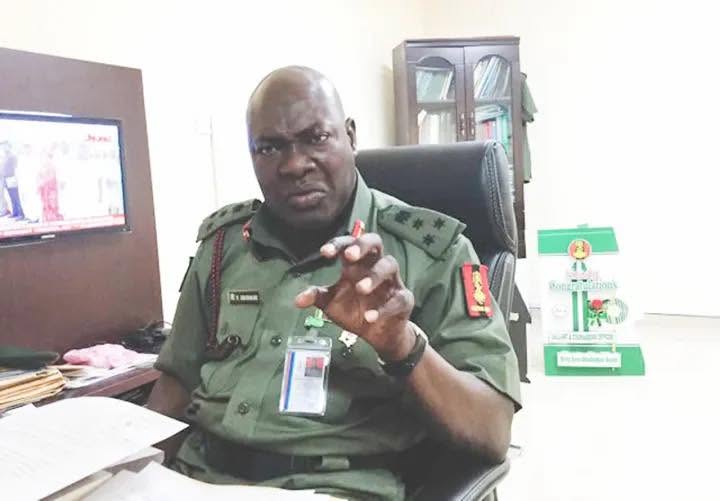
Medical experts query official account of Retired General Rabe’s death in captivity
The Katsina State government’s confirmation that the late Retired Major General Abubakar Rabe died from “complications of diabetes and hypertension” while in the custody of bandits has sparked immediate controversy among medical professionals and security observers.
While the state described the passing as a “natural death,” the framing of the report is drawing sharp scrutiny, with experts questioning both the accuracy of the cause and the ethics of the terminology used.
The question of ‘natural’ causes
In a statement on Saturday, the Katsina State commissioner of internal security, Nasiru Mu’azu, asserted that the General died from complications of underlying health conditions. However, the medical community is pushing back on the characterization of such a death as “natural” given the circumstances of the victim’s detention.
A Kano-based medical doctor, who spoke to NigerianSketch on the condition of anonymity, questioned the government’s medical classification.
“Can we truly classify a death occurring in a bandits’ den as ‘natural’ if the underlying cause—diabetes and hypertension—was left unmanaged due to a lack of medication and care? There is a fundamental difference between a natural death in a controlled environment and a medically induced fatality caused by systemic neglect in captivity.”
Who confirmed the cause?
A central issue remains the lack of transparency regarding the post-mortem process. The official report offers a definitive medical diagnosis, yet it remains unclear.
Who conducted the medical examination? There is no mention of an independent pathologist or a forensic team having access to the remains before the government issued its statement.
READ ALSO: Tragedy as abducted retired Major General dies in bandits’ captivity
Was the diagnosis based on previous medical history or an autopsy? Experts note that hypertension and diabetes complications are manageable in normal settings; in a hostage situation, the absence of insulin or antihypertensive drugs would lead to rapid physiological failure.
By labeling the death as “natural,” critics argue the government may be inadvertently downplaying the state’s failure to secure the General’s release, effectively sanitizing a gruesome reality.
For the families of hostages, the distinction is not merely semantic. If a death in captivity is caused by the denial of life-saving treatment, some legal and security analysts argue this constitutes a form of state-level or criminal neglect, rather than a “natural” end.
As the nation waits for clarification, the government’s narrative is being viewed by many not as a closure, but as a point of contention. The question remains: Was this a tragedy of pre-existing health issues, or a fatality born of the inhumane conditions imposed by his captors?
The former Defence spokesperson was laid to rest at the Gidan Dawa Cemetery in Katsina metropolis. The burial was conducted in accordance with Islamic rites and attended by family members, senior military officers, government officials, and local residents.
