


Xenophobia explodes in South Africa as anti-immigrant deadline expires
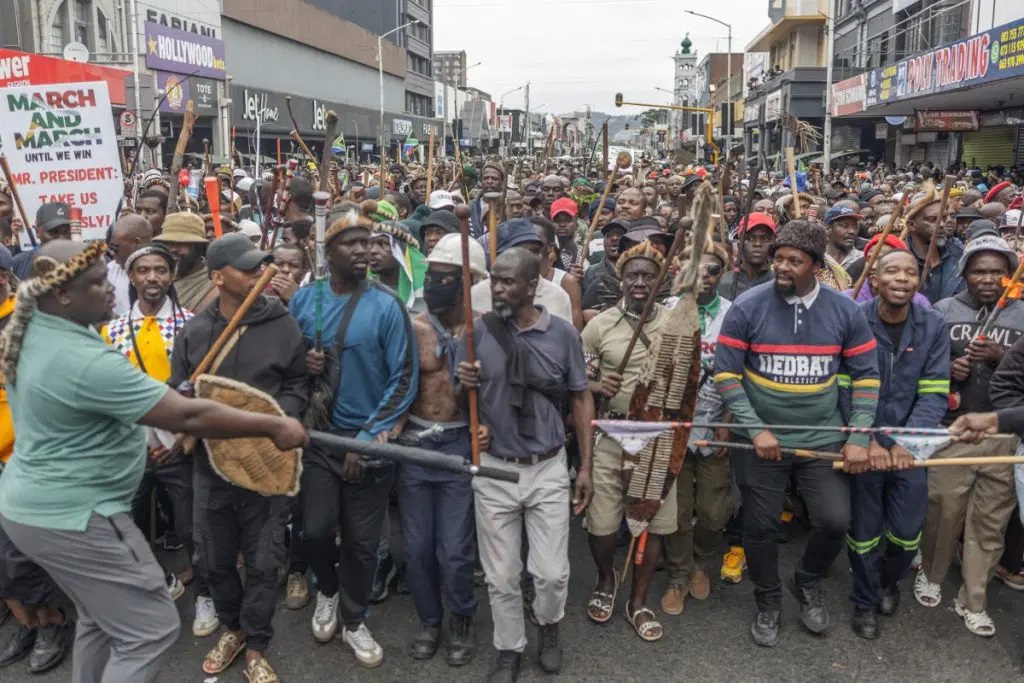
Tensions have reached a boiling point across South Africa as thousands of citizens took to the streets on Tuesday, demanding the immediate expulsion of undocumented foreign nationals. The nationwide protests followed the expiration of an unofficial June 30 deadline set by citizen-led vigilante groups.
The weeks-long anti-immigrant campaign has already claimed at least four lives and triggered a massive exodus, forcing thousands of African migrants—including Nigerians—to flee the country.
A heavy deployment of security forces was visible across major cities to contain the demonstration. In Johannesburg, South Africa’s financial hub, businesses were shuttered, transport networks ground to a halt, and workers stayed home.
While police in riot gear monitored the crowds, isolated incidents of looting, stone-throwing, and violent confrontations were reported. In one instance near Johannesburg, security forces had to intervene to escort a small group of foreigners away from a stick-wielding mob.
READ ALSO: MALE INFERTILITY: Only 25% of men have healthy sperm, experts warn
In the southeastern city of Durban, a stronghold of the Zulu community, demonstrators marched in traditional warrior attire—carrying spears, shields, and whips. Meanwhile, in the tourist hub of Cape Town, a smaller crowd of about 100 protesters encountered a counter-demonstration condemning “Afrophobia” and xenophobia.
“We Want Mass Deportation”
The latest wave of hostility is fueled by deep-rooted frustrations over South Africa’s struggling economy, which is currently grappling with a staggering unemployment rate exceeding 30%, high crime rates, and failing public services.
Vigilante groups have seized on these grievances, accusing illegal immigrants of taking jobs and resources from locals. However, independent analysts argue that foreign nationals are merely being used as scapegoats for successive government failures.
Speaking to a crowd in Durban, Jacinta Ngobese-Zuma, leader of the anti-immigrant group March and March, demanded drastic action:
“South Africans have been replaced by illegal foreigners, increasing unemployment. We want mass deportation. For the next six months, we want the government to get rid of the people who have not left.”
Similarly, 48-year-old protester Brightness Gumbi expressed her frustration to reporters, claiming she could not afford business rent while foreign nationals operated successful shops, alleging without evidence that they fund their businesses through illicit means. “I hope through these demonstrations our president will hear our cries and enforce stricter laws,” she said.
African nations evacuate citizens as death toll rises
The human cost of the crisis continues to mount. According to South African police, the latest outbreak of violence has claimed the lives of at least two Mozambicans, one Ethiopian, and one Malawian.
In response to the escalating danger, several African governments—including Nigeria, Malawi, Ghana, Zimbabwe, and Mozambique—have taken the unprecedented step of simultaneously organizing emergency voluntary repatriation flights and buses to rescue their citizens.
Authorities confirmed on Monday that more than 25,000 people have already been processed for departure.
“I am scared” — Migrants face evictions and firing
As the protests raged, hundreds of terrified migrants gathered at makeshift transit points in Cape Town and Johannesburg, desperate for transport home. Many revealed they had been abruptly evicted by landlords or fired by employers who feared government fines or vigilante attacks.
“The people in South Africa, they don’t want us here. I’m scared,” a 23-year-old Zimbabwean woman waiting for an evacuation bus whispered under anonymity.
In Durban, 32-year-old Adam John explained his sudden decision to flee: “I thought I could stay on, but neighbours warned us last night. I felt that it is better to try and get home while I still can.”
Memories of the 2021 unrest—which left around 350 people dead during days of looting—prompted President Cyril Ramaphosa to order a massive security deployment. Ramaphosa has since announced enhanced government measures to curb illegal immigration and urged traditional leaders to de-escalate the tension.
However, observers note the timing of the crisis is critical. With local government elections scheduled for November, labor analyst Dale McKinley warned that the anti-migrant sentiment is being “politically weaponized” by politicians seeking easy votes.
South Africa has a dark history of deadly xenophobic violence. In 2008, similar anti-foreigner riots left at least 62 people dead, a tragedy many fear could repeat itself if the current situation is not urgently contained.
