


2026 WORLD CUP: FIFA moves to end penalty shootout ‘luck’ with major rule change
World football governing body, FIFA, alongside the International Football Association Board (IFAB), is considering an amendment to the rules governing penalty shootouts ahead of the 2026 FIFA World Cup knockout phase.
The proposed adjustment aims to eliminate any perceived unfair advantages and ensure a level playing field for competing teams.
The high-stakes deliberations come at a critical time, with the tournament’s historic, newly-introduced Round of 32 matches scheduled to kick off this Sunday.
The current system under fire
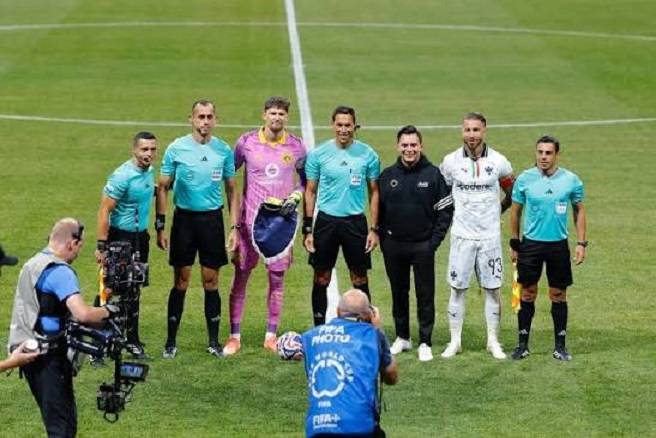
Under the existing football laws, two separate coin tosses are conducted before a penalty shootout begins. The first toss determines which end of the stadium (the goal) the penalties will be taken at while the second toss decides which team will take the opening kick.
READ ALSO: NO LGBTQ+ THINGS: Iran demands ‘respect for values’ ahead of crunch clash with Egypt
While this traditional format has stood the test of time, football analysts and officials argue it can create a psychological imbalance if one team wins both tosses. Historical data and sports research suggest that teams taking the first penalty enjoy a distinct psychological advantage, immediately transferring intense pressure onto their opponents.
What is the new proposal?
To curb this, football authorities are examining a streamlined single coin-toss system.
Under the new proposal, the captain who wins the single coin toss would be given a choice: either choose to shoot first or select the goal end where the shootout will happen. The opposing team would automatically receive the remaining option.
Proponents of the change believe this practical compromise ensures that neither side gains total control of both crucial decisions, preserving the drama of the shootout while removing procedural bias.
The UCL final catalyst
The debate gathered fresh momentum following the recent UEFA Champions League final between Arsenal and Paris Saint-Germain (PSG).
During that fixture, PSG won both coin tosses before the penalty shootout and ultimately went on to lift the trophy. While winning the toss does not guarantee victory, the incident reignited fierce global debate among stakeholders regarding whether the current system hands one team an unfair psychological edge.
Will it be implemented immediately?
As it stands, FIFA and IFAB are still locked in consultations. For the rule to take effect during the latter stages of the 2026 World Cup, it must receive formal, swift approval from football’s lawmakers. Officials are currently weighing fairness and practicality against the sudden impact a mid-tournament change could have.
For now, no final decision has been announced. Teams preparing for the grueling knockout rounds remain in suspense as to whether they will face the traditional lottery or a reformed, single-toss shootout system.
With knockout football famously decided by the narrowest of margins, FIFA’s move underscores a growing desire to ensure that World Cup destiny is decided strictly by performance, not the flip of a coin.
