


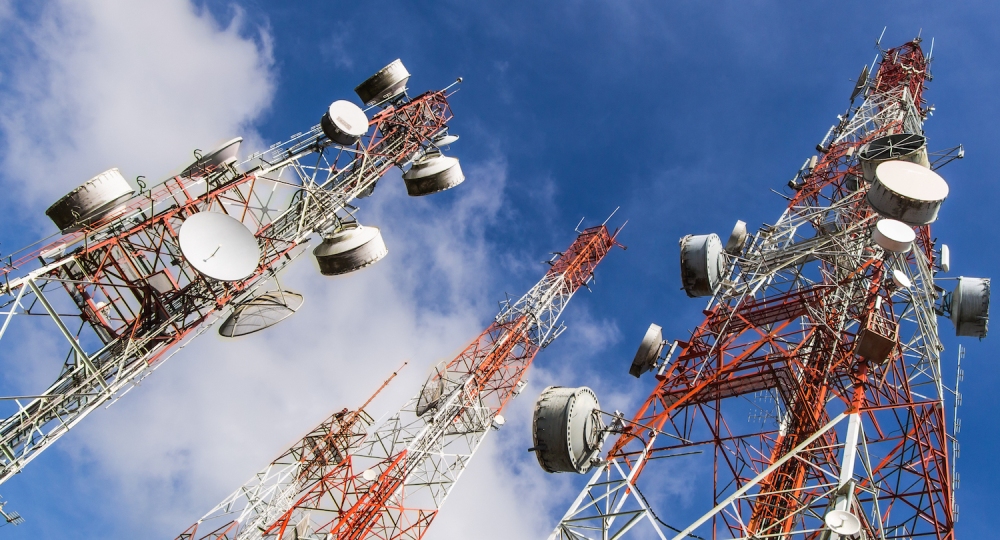
PAY MORE FOR BAD NETWORK? NCC moves to hike tariffs, ignores abysmal service quality in Nigeria
Telecom subscribers across Nigeria may soon face higher bills for voice calls and text messages as the Nigerian Communications Commission (NCC) kicks off a review of interconnection rates—eight years after the current regime was established.
The potential tariff hike follows a stakeholders’ consultative forum held in Lagos on Tuesday, where the regulatory body and industry experts discussed the determination of a new Mobile Termination Rate (MTR).
What is MTR and why does it matter?
The Mobile Termination Rate (MTR) is the wholesale charge one telecom operator pays to another to terminate a call on its network. It is the underlying pricing mechanism that connects every Nigerian mobile subscriber, regardless of their service provider.
The current domestic rate stands between ₦3.90 and ₦4.70 per minute. However, if the NCC’s ongoing review pushes these rates upward, the financial burden will ultimately be passed down to consumers via higher retail prices for calls and SMS.
Economic realities defying the 2018 pricing
Speaking at the forum, Mr. Wole Adenekan, a partner at KPMG, explained that the review is long overdue. He noted that the 2018 MTR determination was never updated for local rates, as the 2022 amendment only addressed the International Termination Rate (ITR).
According to Adenekan, keeping the rates artificially low hurts the industry.
“Rates that are too low fail to signal the true cost of providing termination services and can deter infrastructure investment,” Adenekan warned. “Conversely, a cost-reflective rate supports a level competitive playing field and rewards efficient investment, which ultimately improves the country’s GDP.”
READ ALSO: Airtel, Glo, MTN, 9mobile, others must inform subscribers before service outage – NCC
Adenekan highlighted several macroeconomic and technological shifts that have broken the back of the 2018 pricing structure. According to him, significant naira devaluation, skyrocketing inflation, and rising energy and equipment costs have drastically altered operators’ cost structures. Also, the rollout of 5G, alongside the adoption of Artificial Intelligence (AI) and the Internet of Things (IoT), has transformed network usage patterns.
He added that over-the-top (OTT) players like WhatsApp and Telegram are capturing heavy voice and messaging traffic, weakening traditional wholesale revenue streams for telcos.
NCC promises a balanced intervention
In her welcome address, Omotayo Mohammed, the Head of the Competition and Tariff Unit in the NCC’s Policy Department, stated that the review is a necessary economic intervention to align the commission’s frameworks with current market realities.
Mohammed reassured consumers that the NCC would look closely at existing retail price controls to safeguard consumer welfare while keeping the business environment sustainable.
“The years since our 2018 determination have been marked by unprecedented and rapid change,” Mohammed said. “The Nigerian telecommunications market has undergone considerable transformation, reflected in swift expansion, shifting market dynamics, the commercial deployment of 5G, and the emergence of new ecosystem players including Mobile Virtual Network Operators (MVNOs).”
She added that both global and domestic macroeconomic shifts—especially foreign exchange volatility and inflation—have made it imperative for the regulator to act.
“Pursuant to Section 108 of the Nigerian Communications Act (NCA) 2003, the Commission is acting on its mandate to ensure that telecommunications tariffs and charges remain reasonable, cost-reflective, and non-discriminatory,” she concluded.
Service quality gap
While the NCC and its consultants spent significant time laying the groundwork for a tariff increase to protect operators, the forum notably failed to address the persistent, unsatisfactory service delivery that plagues millions of Nigerian subscribers daily.
Despite paying high rates, consumers routinely experience dropped calls, poor voice clarity, network congestion, and unstable data connections. By prioritizing a price hike while remaining largely silent on enforcing minimum performance metrics, critics argue that the NCC is ignoring global service delivery standards. In international markets, tariff reviews are strictly tied to guaranteed Quality of Service (QoS)—a standard Nigerian telecom consumers are yet to see.
